Life After an Eyebrow Transplant: Trimming, Styling, and Everyday Care
Written by ReGrow Medical Editorial Team.
Medically reviewed by Dr. Amiel Moshfegh, M.D.
Published . Updated .
Your eyebrows have healed, new hair is growing, and the focus is shifting from recovery to your everyday routine. How often will you need to trim them? What helps a longer hair lie neatly? Can you return to your usual brow products?
After an eyebrow transplant, regular trimming and gentle styling may become part of your routine. Scalp-derived hair can continue growing longer than native eyebrow hair. Plan for maintenance rather than assuming your new brows will stay at the perfect length without attention.
This guide covers care after your surgeon has confirmed that the area has healed and cleared you to resume grooming. Early postoperative care is different; follow your clinic’s instructions for fresh grafts. Cleveland Clinic’s eyebrow-transplant guidance explains both the need for individualized aftercare and ongoing trimming.
In this guide: Trimming · Growth direction · Makeup and products · Everyday routine · Patient results · Common questions
How Often Do Transplanted Eyebrows Need Trimming?
There is no single schedule that fits every patient. In a published study of eyebrow reconstruction in people with scars, the care protocol included trimming at five- to seven-day intervals. That describes a particular study population and protocol, not a rule for all eyebrow transplants.
A separate clinical article on eyebrow restoration discusses trimming every two to three weeks. The difference is useful: your hair characteristics, preferred length, and surgical plan matter more than a universal weekly calendar.
Ask your clinic to demonstrate the first trim once you are cleared. Bring a photo of the brow shape you want to maintain and ask which hairs need shortening. The aim is to manage extra length while preserving the outline you and your surgeon planned.
A conservative approach to trimming
Once grooming is approved, use the technique demonstrated by your clinic. A practical checklist for that appointment is:
- Tools: Which brow brush and small grooming scissors should I use?
- Direction: How should I position the hairs before shortening them?
- Length: How much should I leave at the inner brow, body, and tail?
- Technique: Can you show me how to shorten a long tip without cutting a gap into the outline?
- Frequency: What change in appearance should prompt another trim?
Make small adjustments and reassess the whole brow in the mirror. Avoid using a single straight cut across all the hairs as a shortcut. If you are uncomfortable working close to your eyes, ask the clinic to help establish a routine you can manage confidently.
Why Do Some Transplanted Eyebrow Hairs Need Styling?
Eyebrow hairs do not all point in one direction. Their pattern changes across the brow. Donor-hair selection, natural curl, and the angle of placement influence how the result looks. A study of long-hair FUE for eyebrow transplantation emphasizes matching the donor hair’s curl to the recipient area.
The International Society of Hair Restoration Surgery (ISHRS) notes that transplanted eyebrow hairs may need styling with gel or wax to help them lie flat. This is a reason to discuss grooming before surgery, as well as at follow-up.
After clearance, ask your clinician to show you the direction to brush each section and recommend a product suitable for use around the brows. Keep the movement gentle. Styling should not mean pulling hard at the hairs or repeatedly pressing irritated skin.
What if a hair keeps curling or pointing outward?
Show the clinic how it looks both without product and after your usual grooming. Explain whether the concern is length, curl, a hair projecting away from the skin, or an area that looks sparse. These are different observations and may call for different advice.
Do not assume that stronger gel or more aggressive brushing will resolve every direction concern. In the long-hair FUE study, some patients had previously sought revision for mismatched curl or other cosmetic concerns. That does not mean you need another procedure; it supports getting an assessment when ordinary styling is not giving the result you expected.
Makeup, Brow Gel, Tinting, and Lamination
Returning to cosmetics should follow your surgeon’s clearance. Bring the actual products you use, or clear photos of their labels, rather than asking only whether “makeup” is allowed. A pencil, styling gel, tint, and chemical lamination treatment are different products and procedures.
The FDA’s eye-cosmetic guidance recommends clean hands and applicators, avoiding shared products, and stopping a product if it irritates the area. Do not use eye cosmetics on inflamed skin or during an eye infection. Persistent irritation needs medical advice.
Do not use ordinary scalp hair dye on your eyebrows. The FDA warns against at-home eyebrow or eyelash dyeing because of the risk of eye injury. Approval to resume gentle grooming does not automatically clear you for tinting or lamination.
Before booking a salon treatment, tell both the clinic and the practitioner that you have had an eyebrow transplant. Ask the clinic about that specific treatment and your stage of healing. This article does not set a universal waiting period for chemical treatments.
A Simple Routine to Discuss With Your Clinic
The most useful routine is one you understand and can repeat. Once the brows are healed and grooming is approved, organize your plan around three tasks:
- Keep the brows tidy: Brush them as demonstrated, using an approved styling product if needed.
- Manage extra length: Check for hairs extending beyond the planned shape and follow the trimming method your clinic showed you.
- Notice changes: Keep track of persistent irritation, troublesome direction, or a change in appearance that you want reviewed.
Take occasional photographs in similar lighting, without filters. Include an unstyled view when asking the clinic about growth direction. A clear photo and a specific question—“This part curls away from the skin even after grooming”—make it easier to discuss the concern.
Ask before switching from trimming to plucking, waxing, or threading. These remove hairs rather than simply shortening them, so they should not be treated as interchangeable ways to maintain a transplanted brow.
When Should You Contact the Clinic?
Contact your treating clinic for persistent direction problems, unexpected patchiness, or a cosmetic result that is difficult to manage. Severe pain, swelling, or blood or pus leaking from the treated area also warrant prompt medical advice; Cleveland Clinic lists these among reasons to contact a provider after transplantation.
There is no need to decide for yourself whether the answer is another trim, a product change, more observation, or a procedure. Bring the problem to your follow-up and ask for an explanation of the available options.
Eyebrow Transplant Before-and-After Results
These ReGrow Medical comparisons show results photographed 12–18 months after the procedure. Individual results vary. Select a photo to view it at full size.
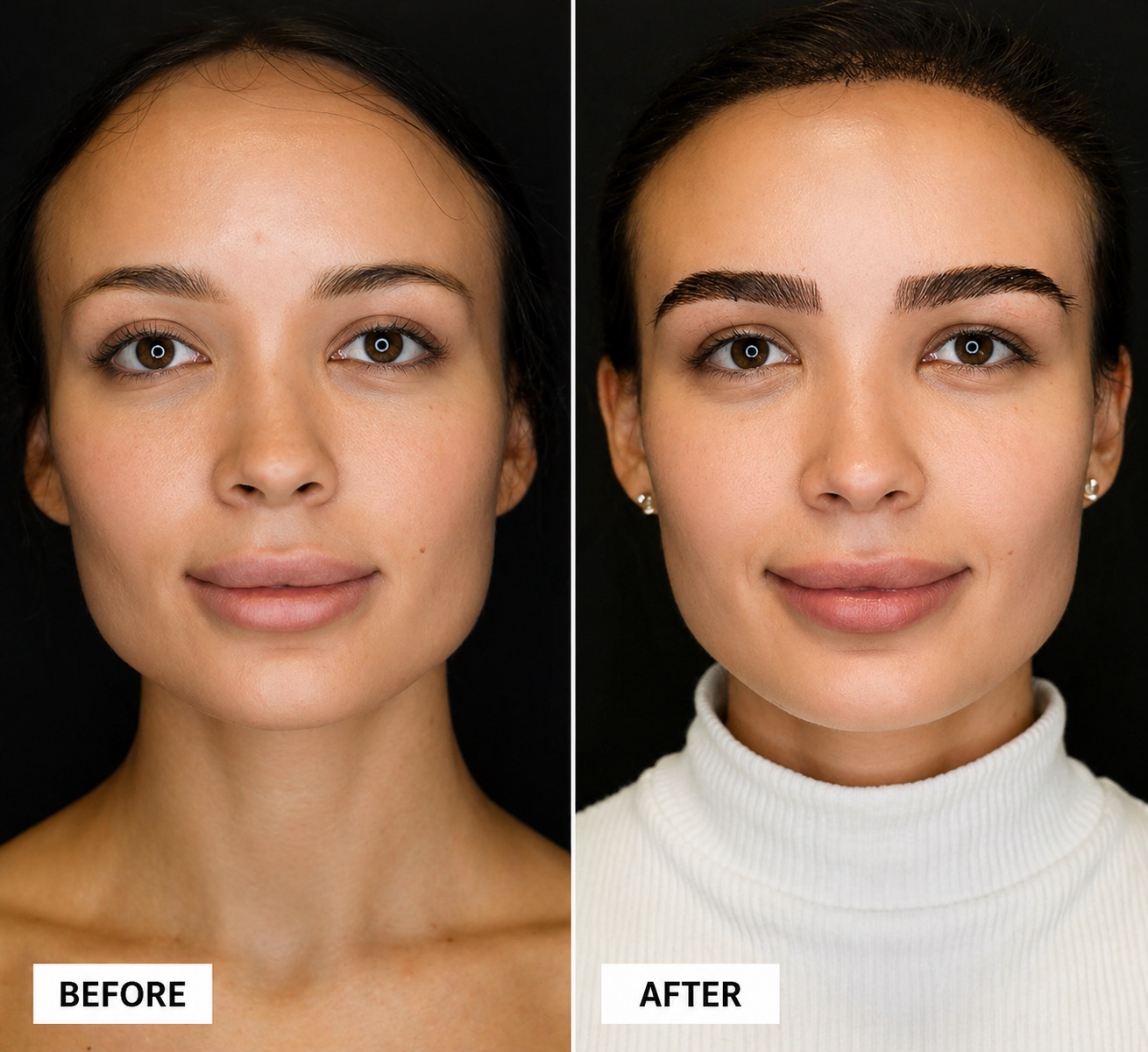
12–18 months after eyebrow transplantation.
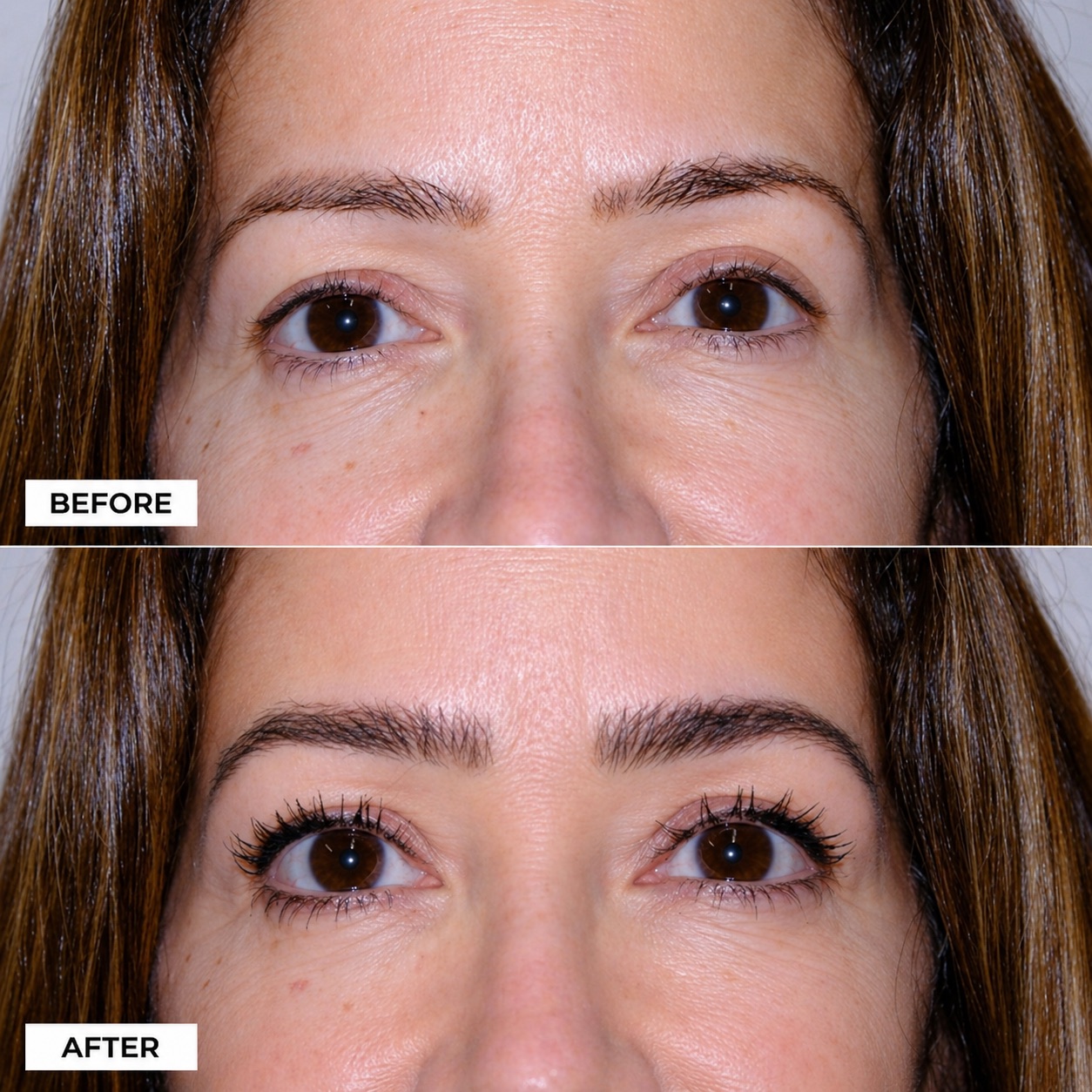
12–18 months after eyebrow transplantation.
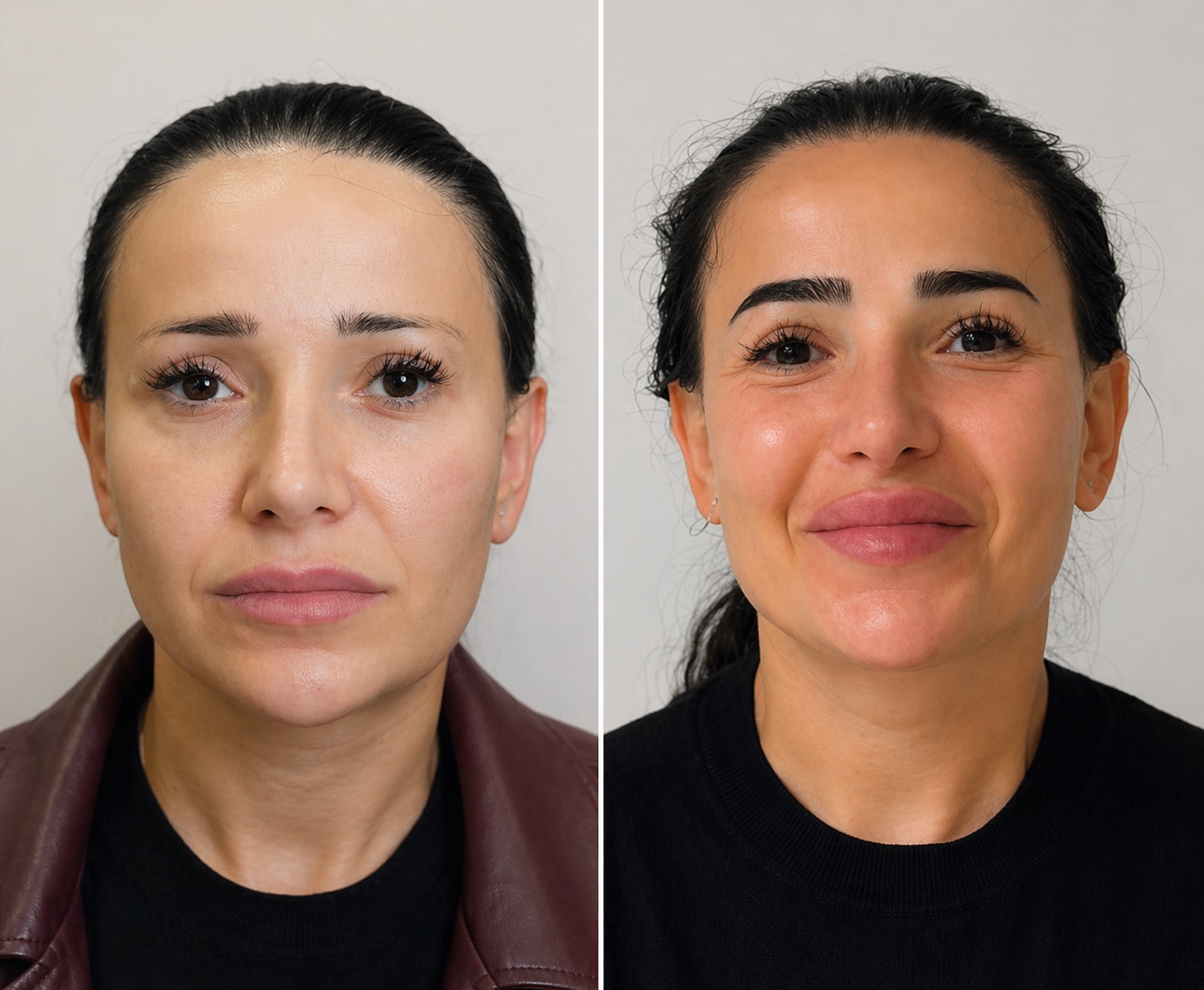
12–18 months after eyebrow transplantation.
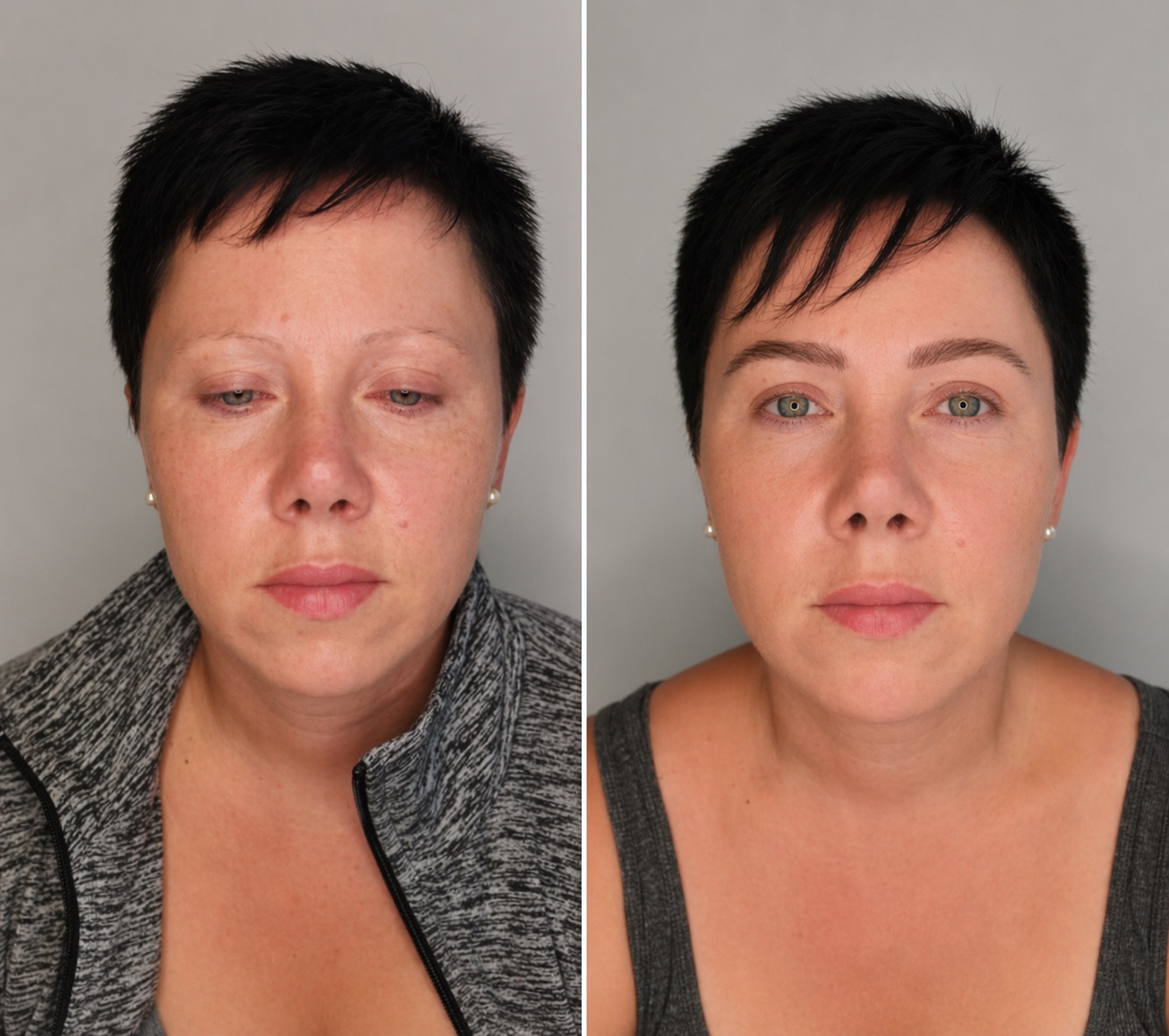
12–18 months after eyebrow transplantation.
Considering an Eyebrow Transplant? Ask About Life Afterward.
Before booking, ask to see results at known follow-up intervals and discuss the grooming those patients needed. A useful consultation should cover both the intended appearance and the work involved in maintaining it.
For procedure details, explore our eyebrow transplant service. If you are comparing approaches, read eyebrow transplantation versus microblading. For examples of ReGrow Medical’s work, visit our before-and-after gallery; individual results vary.
PLAN YOUR BROWS, INCLUDING THE UPKEEP
Explore Eyebrow Restoration With ReGrow Medical
Discuss your preferred shape, donor hair, expected maintenance, and follow-up care in a personalized consultation.
Frequently Asked Questions
Will transplanted eyebrows need trimming forever?
Plan for ongoing maintenance. Scalp-derived hairs can keep growing longer than native brow hairs. Your trimming needs may vary, but you should not count on the need disappearing.
Does needing brow gel mean the transplant failed?
No. Styling can be part of caring for transplanted eyebrows. If the hairs remain difficult to position or the appearance concerns you, ask your clinic to assess the result.
When can I trim my eyebrows for the first time?
Ask your surgeon to confirm that you are ready and demonstrate the technique. A long-term trimming schedule is not permission to cut, brush, or manipulate fresh grafts.
Can I pluck a transplanted hair that points the wrong way?
Check with your clinic before removing it. Show them the hair and discuss whether length, styling, or the growth direction needs attention. Do not use plucking as your first attempt to correct the result.
Can I still wear eyebrow makeup after a transplant?
Discuss your products with your surgeon and wait for clearance. Once approved, use clean applicators, follow the product directions, and stop if irritation develops.